Modern Day Slavery Policy
1. Principles
Milestone has a zero-tolerance approach to modern slavery and human trafficking. We will never knowingly engage in, facilitate, or benefit from any form of forced labour, servitude or exploitation. These practices are fundamentally at odds with our values and unacceptable in any part of our operations.
While we are a small, trusted team with no physical products and a minimal supply chain, we take our responsibilities seriously. We take proportionate steps to assess modern slavery risks when working with contractors, consultants and suppliers — particularly in higher-risk sectors or delivery environments. Where we work with large software providers or global platforms, we rely on their published statements and ethical commitments but remain alert to concerns.
If we identify credible risks or concerns — even indirectly — we will act. This may include raising issues with the supplier, escalating within our supply chain, or ending the relationship where appropriate. We expect everyone we work with to uphold these same high standards of integrity and human dignity.
2. Purpose and scope
This policy is intended to make all Milestone colleagues aware of:
the Modern Slavery Act, including what slavery and human trafficking are and • How we prevent it in our own operations and
What collagues and suppliers must do to support this approach
How to raise concerns safely and confidently.
This policy applies to all colleagues, directors, contractors, consultants, and anyone working on behalf of Milestone.
3. Policy statement
Modern slavery is a crime and a fundamental breach of human rights. It includes slavery, servitude, forced or compulsory labour, and human trafficking.
Milestone will never knowingly engage in, facilitate, or benefit from any form of forced labour, servitude or exploitation.
Milestone will never knowingly work with any organisation or individual involved in any form of modern slavery.
If we have concerns about a supplier or partner, we will act quickly to investigate and, where necessary, end the relationship.
We expect the same zero-tolerance approach from our suppliers, contractors, and clients.
4. Risk profile
As a professional consultancy with:
Six employees
No physical products
A small number of suppliers, often multinational software suppliers
the risk of modern slavery in our direct operations is low. However, we remain vigilant — especially when collaborating on projects that involve extensive subcontracting or the use of third-party suppliers.
While we expect all suppliers to adhere to our zero-tolerance approach, we recognise that, with large or multinational software providers (e.g., Microsoft, Apple), it is unrealistic for us to audit or influence their internal processes. Instead, we depend on publicly available ethical sourcing statements and modern slavery reports, and select vendors known for transparency and compliance.
5. Responsibilities
Directors are responsible for:
Ensuring this policy is reviewed annually and remains compliant
Communicating our zero-tolerance approach
Investigating any concerns or breaches reported
All colleagues are responsible for:
Reading and understanding this policy
Speaking up if they have concerns
Avoiding any action that could be interpreted as enabling exploitation
6. What does modern slavery look like?
Modern slavery can take many forms. It is not always visible, and it doesn’t always look like the stereotypes we expect. It can happen in plain sight: in an office, on a construction site, in a delivery depot, or behind a service contract.
Some individuals may be forced to work through threats, debt, or manipulation. Others may not even realise they are being exploited. You may meet people who seem afraid to speak up or you might pick up signs that they are dependent on someone for housing, documents, or income.
Warning signs may include:
Individuals who appear fearful, withdrawn, or unable to speak freely
Someone who is always accompanied or seems controlled by another person
People working long hours with little or no pay, or with wages withheld
Workers who live on site or in conditions that are unsafe or unsanitary
Signs of physical abuse, neglect, or untreated medical issues
Lack of formal contracts, payslips, or basic employment rights
Suppliers who are reluctant to explain recruitment practices or labour sources
Language or documents that suggest someone doesn’t control their own visa, identity, or bank account
These indicators do not confirm modern slavery is taking place — but they are cause for concern. Concerns should be raised with a Director immediately, or via our Whistleblowing Policy if anonymity is preferred.
8. What to do if you are concerned
If a colleague sees or suspects something that doesn’t seem right, we expect them to speak up. We will always back you.
If you see or suspect behaviour that could indicate modern slavery — whether at a client site, supplier premises, or elsewhere — you must report it directly to a Milestone Director as soon as possible.
Do not address concerns directly with the client, supplier, or site team. Prioritise your safety and well-being, as well as that of those being abused. The Directors will evaluate the situation and escalate it via the proper channels.
You will be fully supported. We will never penalise or criticise anyone for raising a concern in good faith — even if it turns out to be unfounded. Your safety, confidentiality and professional position will always be protected.
If you would prefer to raise it anonymously, you can use the procedure set out in our Whistleblowing Policy.
9. Training and Awareness
Although the risk is low, we ensure that:
All new colleagues are briefed on this policy
Our Whistleblowing Policy includes reference to modern slavery
We review supplier relationships regularly to ensure continued alignment
Where we engage new suppliers or subcontractors, we assess modern slavery risks proportionately — based on size, sector, geography, and known supply chain complexity — and seek reassurance through publicly available statements or direct assurance where appropriate.
10. Review
This policy will be reviewed annually and updated if legislation or best practice changes. It is approved by the Directors and shared with all colleagues and relevant suppliers.
11. Legal Framework
This policy is prepared in accordance with Section 54 of the Modern Slavery Act 2015 and reflects government guidance on transparency in supply chains for micro and small businesses.
APPENDIX 1 –
MODERN SLAVERY AND HUMAN TRAFFICKING STATEMENT 2026
Milestone is committed to preventing modern slavery and human trafficking in all parts of our business. We do not tolerate any form of slavery, servitude, forced or compulsory labour, or human trafficking.
We are a micro consultancy working with a small number of trusted suppliers, mainly providing software or specialist consultancy. We assess our risk as low and remain alert and proactive in our checks and expectations.
We require all our suppliers and subcontractors to uphold the same zero-tolerance approach. We communicate this expectation clearly at the outset of each relationship and revisit it if the nature of the relationship changes.
Where we work with large software or platform providers, it is unrealistic to audit or influence their internal operations. In these cases, we rely on published ethical sourcing statements and modern slavery disclosures, and only work with reputable providers.
We maintain a Whistleblowing Policy to ensure concerns can be raised in confidence, and our Directors review our approach annually.
This statement is made in accordance with Section 54(1) of the Modern Slavery Act 2015 and relates to the financial year ending 31 December 2026.
Company Name: Underhill Project Controls Limited Trading as MILESTONE
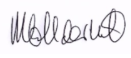
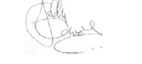
Signature:
Name: Mick Underhill Sally Calverley
Position: Director Director
Issue: Issue 07
Date: December 2025 December 2025